Buying a condo in Daytona Beach sounds simple until you realize the real decision is not just ocean view versus price. It is also about flood exposure, insurance gaps, HOA finances, inspections, and how monthly costs could change after you close. If you want a condo that fits your lifestyle without surprising you later, a careful review now can save money and stress down the road. Let’s dive in.
Start With Total Ownership Cost
In Daytona Beach, the right condo is often the one that balances lifestyle with long-term cost. A lower purchase price does not always mean a better value if the building has high HOA fees, weak reserves, or potential special assessments.
That matters whether you are buying a primary home, second home, or investment property. For many buyers, especially those relocating on a tight timeline, it helps to compare the full monthly and annual carrying cost before falling in love with a view.
Compare More Than The Asking Price
When you review a condo, look at the full picture:
- Monthly HOA fee
- What the HOA fee includes
- Flood insurance needs
- Your HO-6 policy needs
- Possible hurricane deductible exposure
- Reserve strength
- Any pending or recent special assessments
Florida law allows special assessments, and those assessments become a lien on the unit. The stated purpose of the assessment must be included in the notice, and the funds collected may be used only for that purpose.
Choose The Right Location Type
Daytona Beach buyers often weigh oceanfront, riverfront, and non-oceanfront options. Each can be a good fit, but each comes with a different risk and cost profile.
The City of Daytona Beach notes that the area is subject to flooding from both the Atlantic Ocean and the Halifax River. That means even a property that is not directly on the ocean may still need careful flood-zone review.
Oceanfront Condos
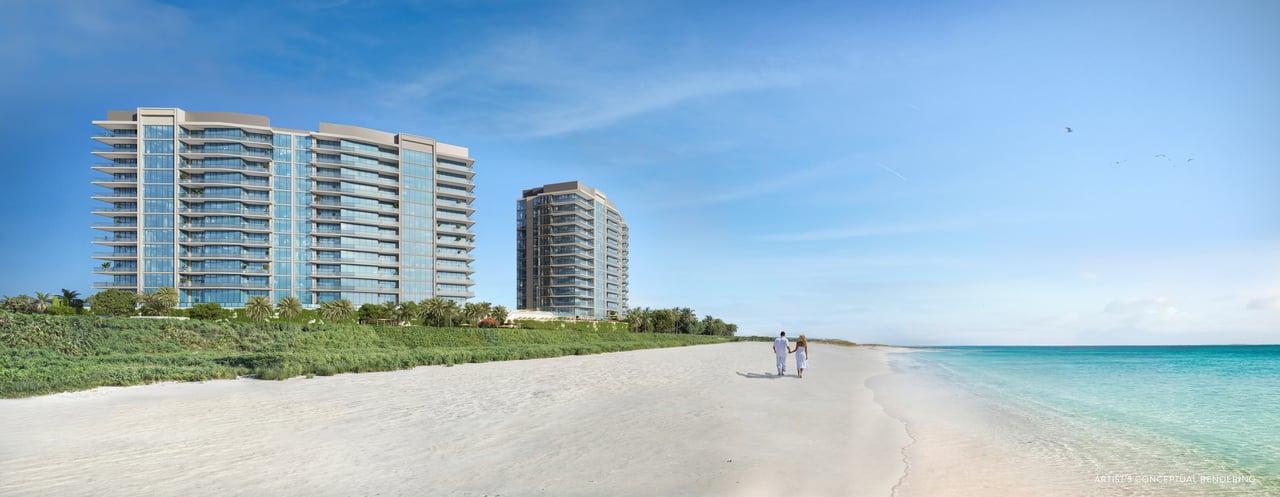
Oceanfront condos usually offer the strongest beach lifestyle appeal. They may also face greater exposure to wind, storm surge, salt air, and flood-related costs.
That does not make them a bad choice. It simply means your due diligence should go deeper, especially when you review the building’s insurance setup, reserve funding, inspection history, and maintenance standards.
Riverfront And Non-Oceanfront Condos
Riverfront and non-oceanfront condos may reduce direct ocean-surge exposure, but they are not automatically low risk. Daytona Beach specifically notes flood concerns tied to the Halifax River and low-lying canal areas.
Before you make an offer, verify the flood zone, ask about drainage history, and understand how insurance could affect your total cost. In many cases, a condo farther from the ocean may still be the better financial fit if the building is well run and financially sound.
Review Flood Risk Early
Flood risk should be one of your first checkpoints, not one of your last. The City of Daytona Beach provides flood-zone determinations and elevation-certificate information to property owners, which can help you better understand a unit’s location and potential insurance needs.
Flood insurance is separate from a standard homeowners policy. Both the city and FEMA note that flood coverage should be arranged before a storm is imminent because there is typically a waiting period.
Why This Matters For Condo Buyers
Many buyers assume the association’s insurance handles everything. It does not. Flood coverage, building coverage, and your unit-owner policy each play different roles.
If your lender requires flood insurance, or if the flood zone suggests it is a smart protection, you want that answer early. This is especially important for furnished condos, second homes, and properties near the beach, river, or low-lying areas.
Look Closely At HOA Finances
A healthy condo association can make ownership far smoother. A strained association can lead to rising fees, delayed repairs, and unexpected assessments.
Ask for the current budget, reserve schedule, recent financial reports, and any documents tied to reserve studies or inspections. Florida law lists these among the records associations should maintain.
Structural Reserve Studies Matter
Florida now places major emphasis on structural reserves for many residential condo buildings. Associations for buildings that are three habitable stories or higher must complete a structural integrity reserve study at least every 10 years.
That study covers key building components like the roof, structure, fire protection, plumbing, electrical systems, waterproofing and exterior painting, and windows and exterior doors. It must also include a reserve funding plan.
For associations that existed on or before July 1, 2022, the required study generally had to be completed by December 31, 2025, with a limited extension to December 31, 2026 when a milestone inspection is being completed at the same time. For budgets adopted on or after December 31, 2024, associations that must obtain this study may not choose to fund less than the required reserves for the covered items.
Milestone Inspections Can Affect Costs
Florida’s milestone-inspection law also matters in Daytona Beach. Buildings that are three habitable stories or more generally need a milestone inspection at 30 years and every 10 years after that.
The local enforcement agency may shorten that timing to 25 years due to local conditions such as proximity to salt water. If you are looking at an older coastal building, ask whether an inspection has been completed and whether any repairs or follow-up work were recommended.
Understand Insurance Before You Buy
Insurance is one of the biggest condo blind spots for buyers. In Florida, the association must maintain adequate property insurance for the condominium, but that master policy does not cover everything inside your unit.
State law excludes many items within the unit boundaries that serve only your unit, including personal property, floor and wall coverings, appliances, water heaters, built-in cabinets and countertops, and window treatments. That is why your own policy matters.
Why HO-6 Coverage Matters
The Florida Department of Financial Services says condo unit owners need an HO-6 policy. This policy primarily covers personal property and liability, and it also includes loss-assessment coverage.
The state guide says the policy must include at least $2,000 of loss-assessment coverage with a deductible no greater than $250. Even so, you should still review the condo declaration and the association’s master policy to understand where the association’s responsibility ends and yours begins.
Ask About Deductibles And Loss Allocation
Hurricane and wind coverage should be reviewed separately from flood coverage. Florida’s hurricane-deductible guidance says when a hurricane deductible applies to a covered windstorm loss, no other deductible under the policy may be applied.
That can become very important in a coastal building. Ask how the association’s deductible is handled, whether the master policy carries a large hurricane deductible, and how a major loss could be allocated among owners.
Pay Attention To Special Assessments
Special assessments can change the economics of a condo quickly. They are not always a sign of a bad building, but they should always be understood clearly before you move forward.
Ask whether there are any pending or approved assessments, reserve loans, or lines of credit. Also ask whether reserves are being funded at the level recommended by any required reserve study.
What To Ask The Association
Before writing an offer, try to get clear answers to these questions:
- What is the exact HOA fee, and what does it include?
- Is the building subject to a structural integrity reserve study?
- Are reserves being funded at the required level?
- Has a milestone inspection been completed?
- Were repairs recommended after the inspection?
- Are there pending or recent special assessments?
- What is the master-policy deductible?
- How would a major loss be allocated to owners?
For busy professionals and relocating buyers, these details can be easy to overlook. They are also the details most likely to affect your comfort level after closing.
Check Rental Rules And Flexibility
If you plan to rent the condo now or later, review the leasing rules carefully. In Florida, condo rental rules are usually set by the declaration and bylaws rather than by one citywide condo rule.
Florida disclosure law requires sellers and developers to disclose leasing restrictions. Resale buyers who request documents in writing are entitled to current copies of the declaration, articles, bylaws, rules, recent financials, budget, and FAQs, and resale contracts include a buyer cancellation right after receipt of the required documents.
Daytona Beach Rental Timing Matters
Daytona Beach also has its own rental-property program for long-term rentals. The city states that this program applies to long-term rentals only, with a minimum rental term of 6 months plus 1 day.
If your plan is to rent for less than that, the city says you should check zoning to see whether short-term rentals are allowed. That city requirement is separate from any condo association restriction, so both need to be reviewed.
Weigh Amenities Against Monthly Cost
Amenities can absolutely improve daily life. A pool, elevator, beach walkover, marina access, fitness center, or security features may make a condo more enjoyable and more practical.
They also affect operating costs and reserves. More amenities usually mean more maintenance, more repair responsibility, and often more pressure on monthly fees over time.
Look At Amenities Like A Budget Item
Instead of treating amenities as a free bonus, treat them as part of the financial package. Ask whether the current HOA fee already supports those features comfortably or whether future repairs may lead to higher costs.
This is where a side-by-side condo comparison can help. In some cases, a simpler building with stronger financials may be a better fit than a more amenity-rich building with greater cost exposure.
A Smart Condo Choice In Daytona Beach
The best condo in Daytona Beach is not always the one with the biggest balcony or the most dramatic view. Often, it is the one that balances location, building condition, reserve strength, insurance structure, and rental flexibility in a way that fits your goals.
If you want a second home, a low-maintenance primary residence, or an investment-minded purchase, taking the time to review the documents and risk profile can help you buy with much more confidence. In a coastal market, clarity is part of the value.
If you want a guided, detail-focused approach to buying in Daytona Beach, Coastal Ventures can help you evaluate condo options with local insight, clear communication, and a concierge-level process built to save you time.
FAQs
What should you review before buying a condo in Daytona Beach?
- Review the HOA fee, budget, reserve schedule, flood zone, insurance setup, inspection history, special assessments, and rental rules before making an offer.
Are oceanfront condos in Daytona Beach always riskier?
- Oceanfront condos often have greater exposure to wind, storm surge, salt air, and flood-related costs, but the right choice depends on the building’s condition, finances, insurance structure, and your goals.
Do Daytona Beach condo buyers need flood insurance?
- Flood insurance is separate from a homeowners policy, and the need for it depends on the flood zone, lender requirements, and your risk tolerance. The city notes that policies typically have a waiting period.
What does a condo HOA master policy usually not cover in Florida?
- Florida law says the association policy does not cover many interior items within the unit, including personal property, floor and wall coverings, appliances, water heaters, built-in cabinets and countertops, and window treatments.
What is a structural integrity reserve study for a Florida condo?
- For many residential condo buildings that are three habitable stories or higher, it is a required study that reviews major building components and provides a reserve funding plan.
Can you rent out a condo in Daytona Beach for short stays?
- Maybe, but you need to review both the condo association’s leasing rules and city requirements. Daytona Beach says its rental-property program is for long-term rentals only with a minimum rental term of 6 months plus 1 day, and shorter rental plans require zoning review.
Why do special assessments matter when buying a Daytona Beach condo?
- Special assessments can increase your ownership cost significantly, so you should ask whether any are pending or approved and whether the association has enough reserves to handle major repairs or losses.