Most buyers come into the short-term rental condo market with one question: can I rent this unit short-term? That is the right question to start with, but it is not the only question that matters. The way a property is categorized matters just as much, because that classification determines how it can be financed, what your down payment looks like, what your interest rate will be, and whether a conventional lender will touch it at all.
There are three distinct property categories in the Florida STR condo market. They look similar from the outside. They are very different in practice.
Category One: The Traditional Condo
A traditional residential condo is a unit within a building where the majority of owners are owner-occupants or long-term landlords, with no hotel-style front desk or unified rental program. The HOA sets rules for rental use, and some permit short-term rentals while others require longer minimum stays.
Traditional condos can be financed with conventional loans, FHA loans (where eligible), and VA loans. The building must meet warrantability requirements: a minimum percentage of owner-occupied units, no single entity controlling more than 10% of units, and a building not in financial distress.
The challenge for STR investors in traditional condos is qualifying the building as warrantable while also finding one where the HOA permits short-term rentals. Buildings with high investor concentration may fail Fannie Mae's concentration tests.
Category Two: The Condotel
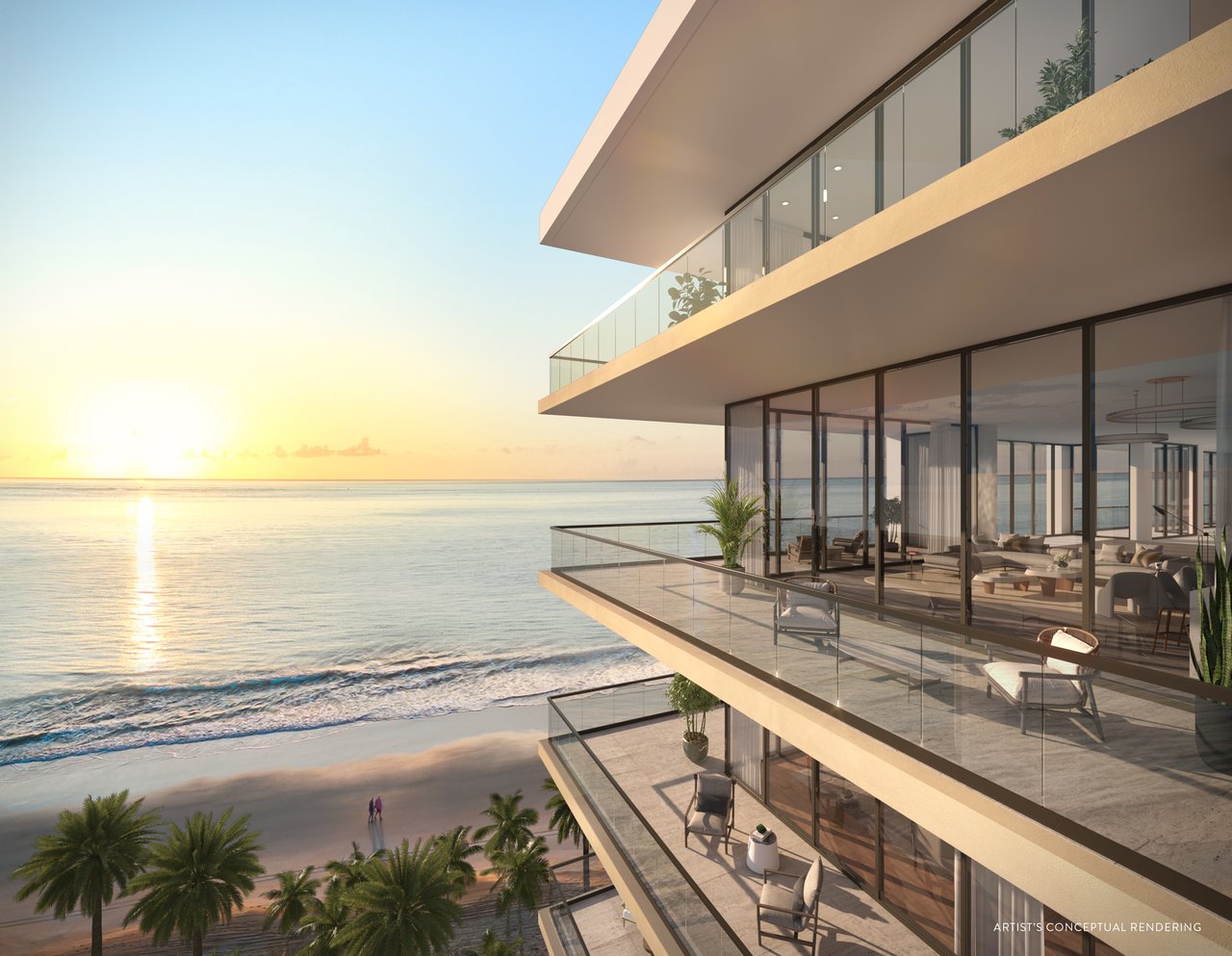
A condotel functions as a hotel but sells individual units as condominiums. Think staffed front desks, branded lobbies, on-site amenity staff, unified reservation systems, and owner units that feed into a central rental program. Daytona Beach's oceanfront corridor includes a number of these properties.
Condotels are not eligible for conventional Fannie Mae or Freddie Mac financing. They cannot be purchased with FHA or VA loans. Financing requires a portfolio loan, a non-QM loan product, a commercial loan structure, or substantial cash. These products typically require 25% to 35% down and carry higher interest rates than conventional financing, often 0.5% to 1.5% above conventional rates.
There are lenders who specialize in condotel financing, including physician-focused programs. But buyers should understand the landscape before falling in love with a condotel unit.
Category Three: The HOA-Approved STR Condo
This is the middle category and where the most investor opportunity lives in Volusia and Flagler counties. These are traditional condominiums where the HOA governing documents explicitly permit short-term rentals, the building is in a city zone that allows STR activity, and owners are free to manage their units independently or through a third-party manager.
HOA-approved STR condos can often be financed with conventional loans, provided the building meets warrantability tests. The key is the investor concentration test: Fannie Mae generally requires no more than 35% to 50% of units to be investor-owned, depending on the program. Some buildings that look like condotels on the surface are actually warrantable because the project documents do not include mandatory rental pooling language.
The Management Fee Variable
In buildings with mandatory in-house management programs, the management fee is treated as an operating expense when underwriting rental income for debt-service coverage ratios. If the building charges 40% to 50% in management fees, your net operating income is significantly lower than your gross rental projection.
For buyers using DSCR (debt-service coverage ratio) loans, which evaluate the property's income rather than the borrower's personal income, this matters significantly. A gross rental income of $50,000 with a 45% management fee leaves $27,500 in net income before taxes, insurance, and HOA fees. That number, not the $50,000, is what a DSCR lender underwrites against.
What to Line Up Before You Make an Offer
Before writing an offer on any condo you intend to rent short-term, three items should be in hand.
First, a preliminary financing conversation with a lender familiar with Florida vacation rental properties. Share the building address and let the lender run a preliminary condo eligibility check. This typically takes 24 to 48 hours.
Second, the HOA documents including the condo declaration, rules and regulations, and any rental program agreement. These will tell you whether in-house management is mandatory and what the fee structure looks like.
Third, a zoning verification confirming that the property address is in a city zone where short-term rentals are a permitted use.
The properties that check all three boxes are the deals worth pursuing. There are more of them in Volusia and Flagler counties than most buyers realize.
Coastal Ventures works closely with lenders experienced in Florida condo financing, including physician-specific loan products. For a current list of STR-eligible buildings and financing guidance, reach out directly.