Trying to choose between waking up to rolling surf or winding sunsets on the Halifax River? If you are relocating to Daytona Beach, the right waterfront comes down to lifestyle, access, and how you want to spend your weekends. This guide breaks down beachside and riverfront living so you can weigh daily life, housing types, flood and insurance basics, and practical costs. Let’s dive in.
Beachside vs riverfront at a glance
Setting and daily rhythm
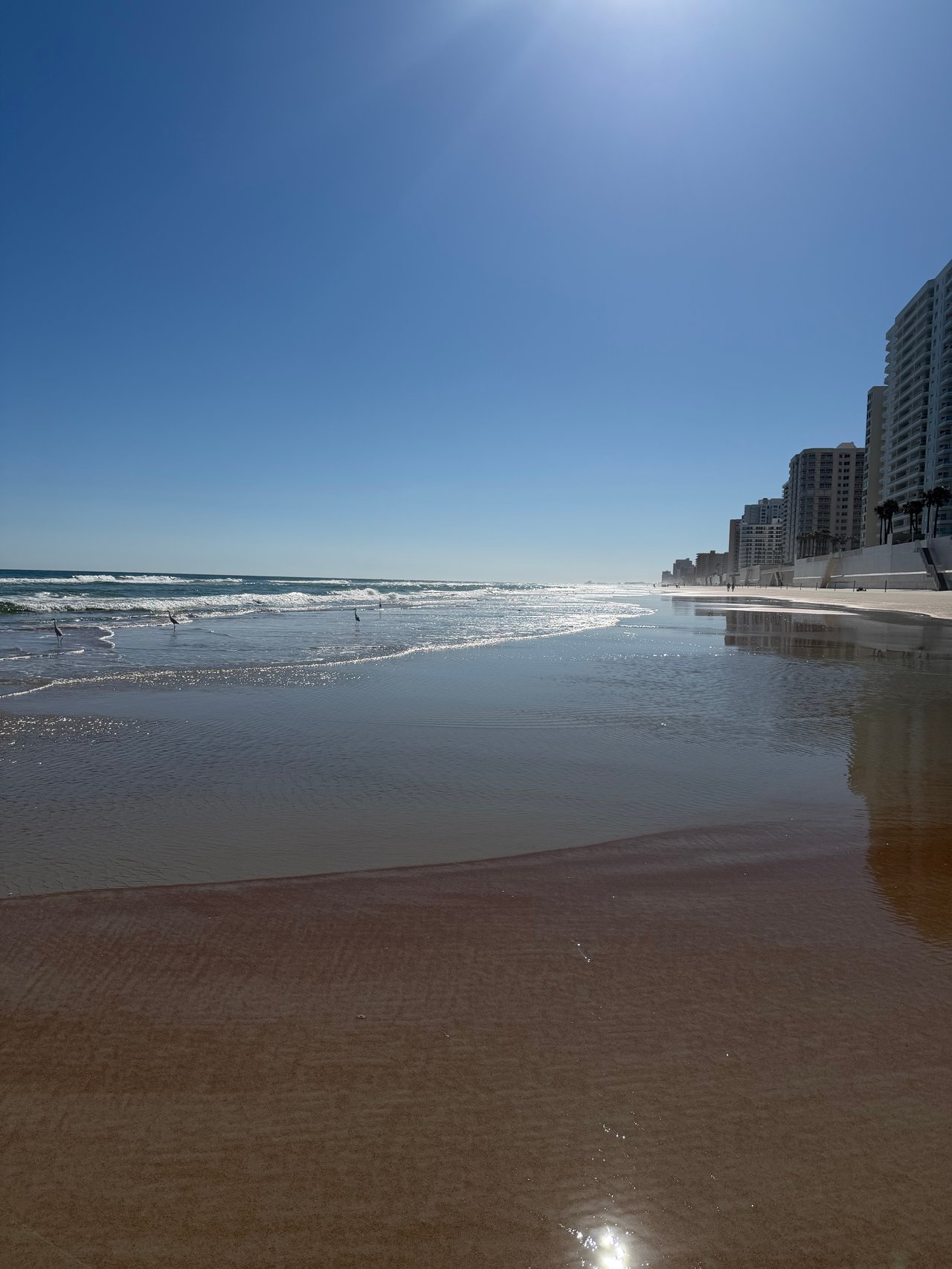
- Beachside sits directly on the Atlantic or just a street or two back. You feel ocean breezes, salt air, and steady wave sound.
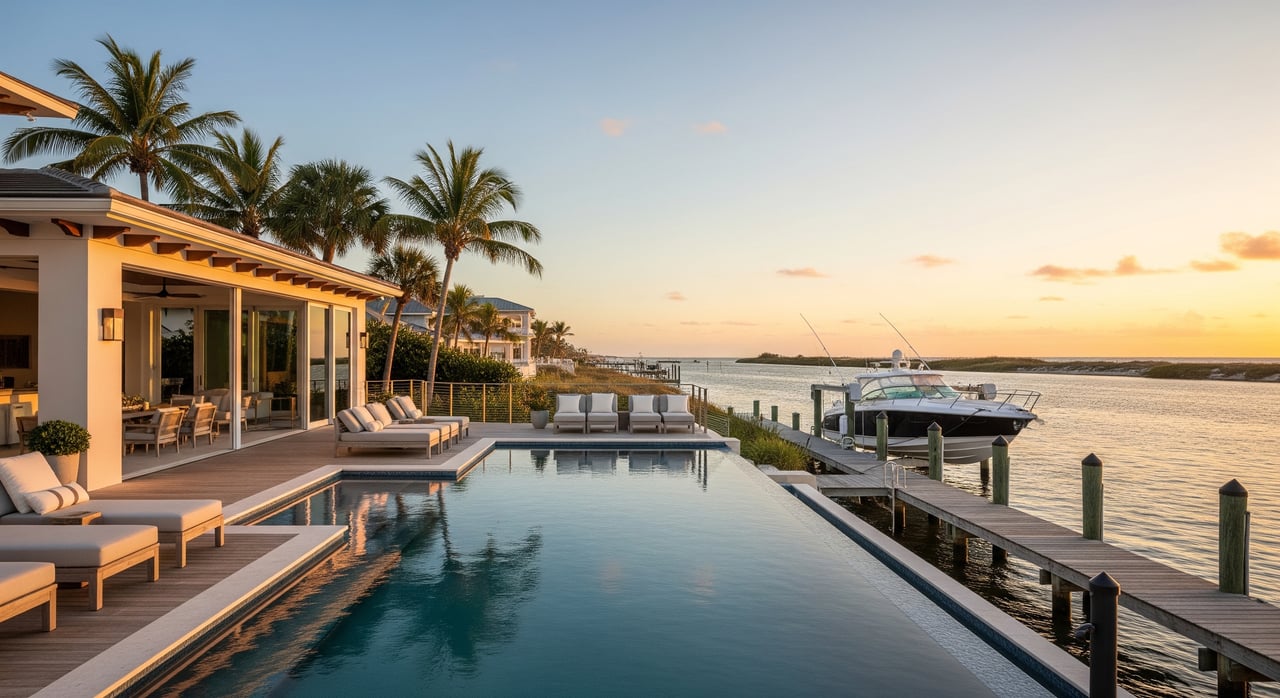
- Riverfront lines the Halifax River, part of the Intracoastal Waterway. Waters are sheltered, with bulkheads, private docks, and regular boat traffic.
Lifestyle and amenities
- Beachside highlights: swimming, surfing, sunbathing, and easy access to the boardwalk and beachfront dining in central Daytona Beach. Expect seasonal crowds around spring break and major race weekends.
- Riverfront highlights: boating, fishing, kayaking, and quieter residential stretches. Some areas near downtown and on the peninsula are walkable to restaurants, parks, and marinas.
Views and privacy
- Beachside often delivers dramatic east-facing sunrise views over open ocean. Activity and noise can spike near the boardwalk and nightlife zones.
- Riverfront offers tranquil water views across to mangroves and marinas. Orientation can capture sunsets, and overall noise can be lower outside event areas.
Housing and ownership differences
Common property types
- Beachside: You will see more mid- and high-rise condos with ocean-facing balconies and shared amenities like pools and gyms. Smaller beachfront cottages and single-family homes exist in limited pockets. Some corridors support short-term vacation rentals, subject to local rules and HOA policies.
- Riverfront: Single-family homes with yards and private docks are common, along with low- to mid-rise condos and townhomes. Many communities emphasize private boat access and marina-style features.
What often drives the decision
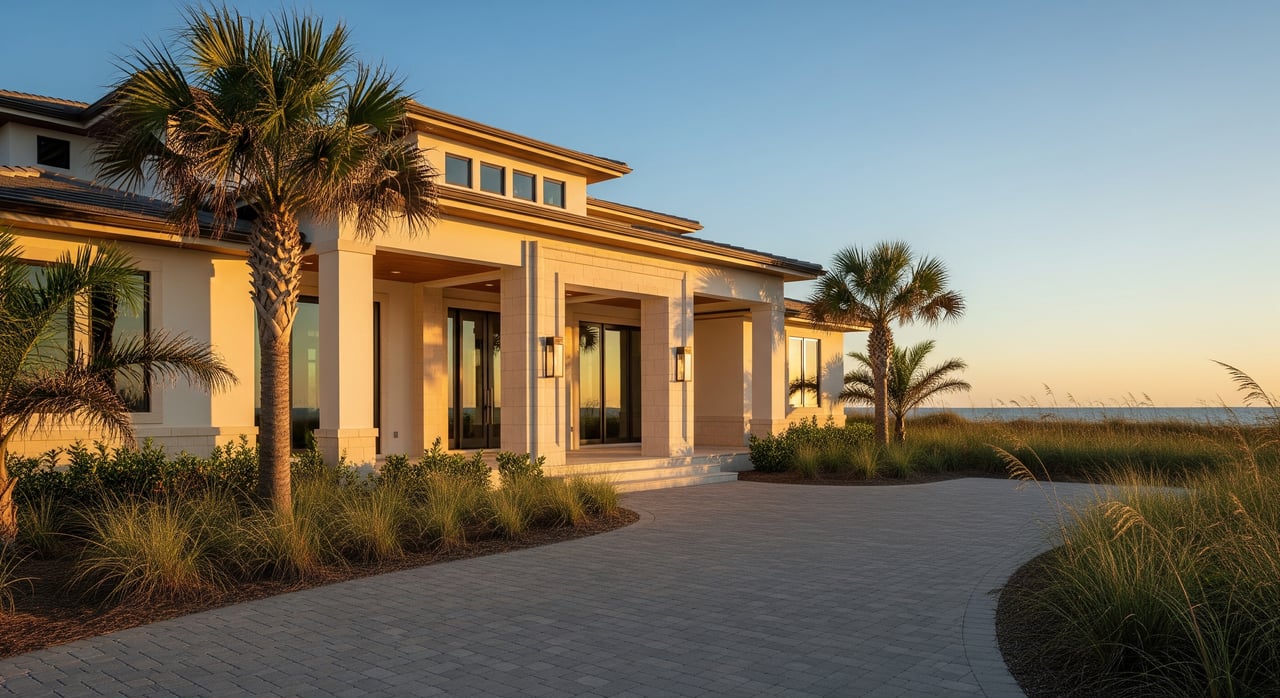
- Choose beachside if you want direct sand access, sunrise views, and a vertical-living setup that can fit a vacation or second-home plan.
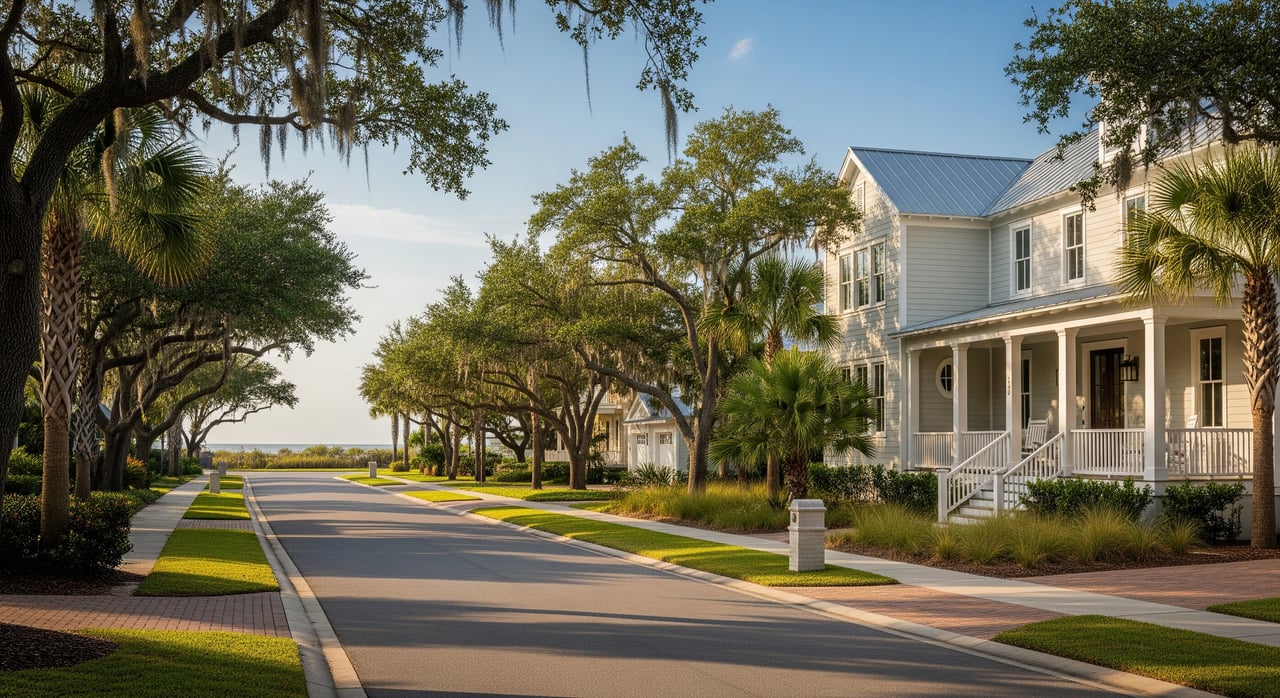
- Choose riverfront if you prioritize your own dock, calmer water recreation, larger lots, and a more residential feel.
Ownership costs to compare
- Condos typically have HOA fees that cover building insurance, amenities, and exterior maintenance. Ask about elevator systems, recent structural work, wind mitigation, and dune management.
- Riverfront single-family homes shift responsibility to you for dock and bulkhead upkeep. Budget for inspections and routine maintenance of waterfront structures.
Flood, storms, and insurance basics
Daytona’s waterfronts share a coastal risk profile, but exposure varies by address. Many oceanfront parcels fall into FEMA coastal high-hazard V zones with stricter building standards. Riverfront parcels are often in AE or A zones and can experience storm surge and back-bay flooding because the Halifax River connects to the Intracoastal and Atlantic.
- Always check your parcel’s current flood zone and Base Flood Elevation using the FEMA Flood Map Service Center.
- Understand flood insurance. Lenders generally require coverage for mortgages in A, AE, and V zones. You can explore coverage basics and rating factors at FloodSmart.gov.
- Consider sea-level and tidal flooding trends. Regional planning flags increasing nuisance flooding in low-lying coastal communities. The NOAA Sea Level Rise Viewer offers helpful context.
Cost factors to expect
- Oceanfront: Potentially higher elevation and coastal-compliance costs, plus dune or seawall considerations in some locations.
- Riverfront: Ongoing dock, lift, and bulkhead maintenance. Verify water depth, air draft limits, and any shoreline protection requirements.
Permits and approvals
Shoreline work and waterfront improvements typically require permits. Riverfront docks and bulkheads often involve county and state reviews, and coastal work near the Atlantic can require state and federal coordination. Review current rules and permits through local agencies and consult Florida Department of Environmental Protection guidance.
Access, walkability, and everyday living
- Beachside near the boardwalk is highly walkable to beachfront entertainment and public amenities. Day-to-day errands may still require driving depending on your exact block.
- Riverfront neighborhoods near downtown, Seabreeze, and Peninsula corridors can be walkable to restaurants, parks, and marinas. Larger-lot riverfront areas tend to be more car-dependent.
- Across Daytona Beach, proximity to I-95, US-1, and I-4 shapes commute times. For condo living, consider parking rules and elevator reliability. For single-family homes, factor in driveway space, boat trailer storage, and HOA guidelines.
Which lifestyle fits you?
- You might love beachside if your ideal day starts with a sunrise walk, you want quick access to sand and surf, and you enjoy being close to event energy in peak seasons.
- You might love riverfront if your ideal day includes an afternoon boat ride, quiet evenings on the dock, and easy access to marinas and paddle routes.
- Both settings come with a waterfront premium relative to nearby non-waterfront options. The spread depends on building quality, direct water access, view, and amenities.
How to choose your Daytona waterfront
Use this quick checklist as you compare addresses:
- Confirm current FEMA flood zone and Base Flood Elevation for each property. Start with the FEMA Flood Map Service Center.
- Request or obtain an elevation certificate for accurate flood insurance rating.
- Ask about property history for flooding, surge, erosion, and any past claims.
- Review HOA or condo rules, including rental policies and pet restrictions.
- Get early quotes for homeowners, wind, and flood insurance. Premiums can change affordability.
- For oceanfront condos: ask about recent structural work, wind mitigation, elevator systems, and dune policies.
- For riverfront homes: inspect bulkheads, docks, and lifts. Confirm water depth, bridge clearances, and any mangrove or habitat constraints.
- Clarify permits and approvals for planned shoreline work and any future upgrades.
Concierge help for busy professionals
If you are relocating for a medical or professional role, you do not need to navigate this alone. Coastal Ventures Real Estate pairs deep local knowledge with a concierge relocation practice, including our MD Match program, lender and hospital-introduction support, curated neighborhood guides, and efficient half- or full-day tours. We help you compare beachside and riverfront options through a financial and lifestyle lens so you can move with confidence.
Ready to explore the right waterfront for your life and schedule? Connect with Coastal Ventures to Schedule Your Relocation Consultation.
FAQs
What is the key difference between FEMA V, AE, and A zones in Daytona Beach?
- V zones indicate coastal high-hazard areas with potential high-velocity waves, while AE and A zones reflect flood risk without high-velocity wave exposure; requirements and insurance differ by zone and elevation.
How does storm surge affect Halifax River properties compared with oceanfront?
- Riverfront parcels can experience significant surge and back-bay flooding because the Halifax River connects to the Intracoastal and Atlantic, while oceanfront parcels face direct wave action from the open ocean.
Are short-term rentals allowed on Daytona Beach waterfront properties?
- Rules vary by city ordinances and HOA or condo documents, so review local regulations and association policies for each building or neighborhood before assuming rental eligibility.
What maintenance is typical for a Halifax River home with a dock?
- Plan for routine inspections and upkeep of docks, bulkheads, and lifts, including hardware, pilings, and shoreline protection; verify age and condition during inspections.
What should I check first when evaluating a specific waterfront address?
- Start by confirming the current flood zone and Base Flood Elevation, obtain an elevation certificate, and ask for flooding or erosion history, then get early quotes for homeowners, wind, and flood insurance.
Where can I see sea-level and tidal flooding projections for Volusia County?
- The NOAA Sea Level Rise Viewer provides regional maps and scenarios that help visualize long-term tidal and surge exposure for coastal communities.