Are you trying to narrow down where to live in Ormond Beach but everything starts to blur together? You are not alone. Between beachside charm, historic streets, and quiet suburban pockets, each area offers a different rhythm for daily life. In this guide, you will compare the main neighborhood styles by commute, parks and beach access, schools, home types, and total cost so you can match the lifestyle that fits your family. Let’s dive in.
How to choose in Ormond Beach
Start with your daily routine. Think about school logistics, drive routes for work, and how often you want to be at the beach or in a park. Then layer in total cost of ownership. That includes mortgage, property taxes, HOA or condo fees, and insurance for wind and flood where applicable.
School assignments in Ormond Beach are set by Volusia County Schools and can change. Always verify the current school zone for a specific address before you decide. If walkability matters, focus on the Granada core and beachside areas. If you want a larger yard and newer homes, look west of I‑95.
Beachside and A1A corridor
Who it fits
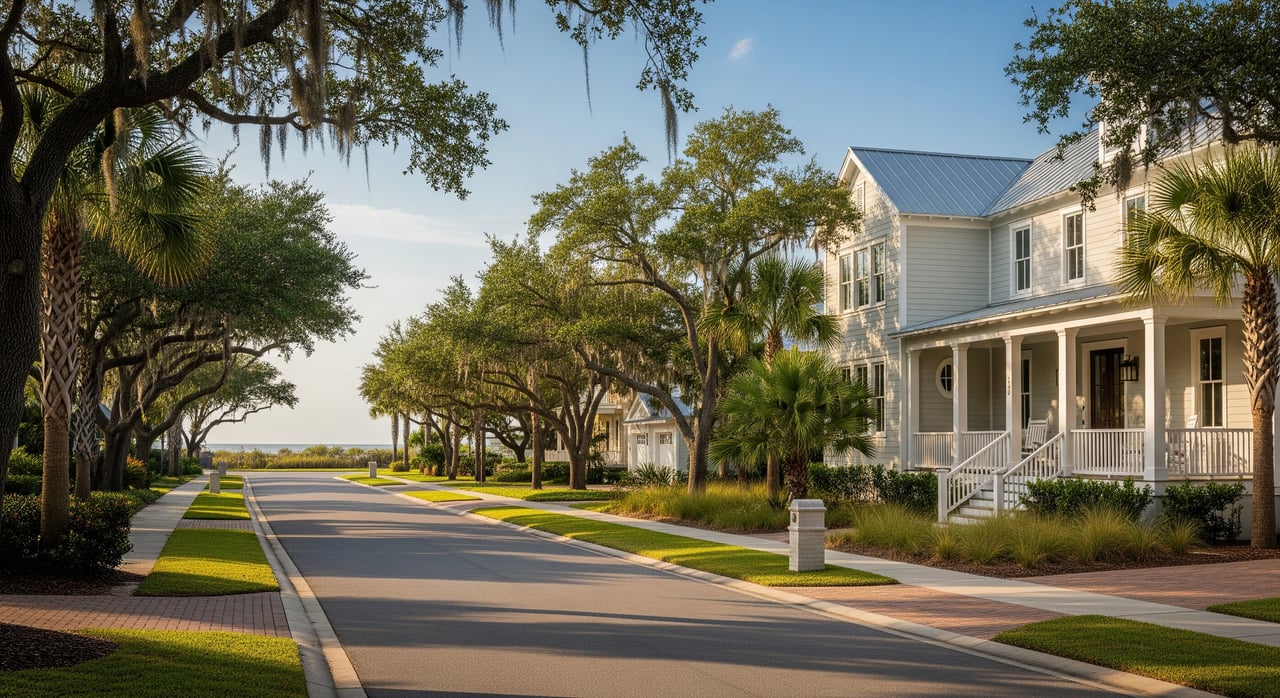
Choose the beachside if immediate beach access and a relaxed, coastal vibe sit at the top of your list. You will find a walkable feel near the ocean, with coffee shops and parks within a short drive or bike ride. This area works best if you are comfortable with smaller lots or condo living.
Commute and access
A1A and Granada Boulevard connect you to the rest of Ormond Beach. It is simple to reach I‑95 by heading west on Granada for regional trips. Expect more traffic during winter and spring and on holiday weekends.
Parks and beach time
You are close to public beach access points and oceanfront parks. Families enjoy quick trips to the beach and short drives to larger regional parks to the north. Outdoor time is easy to build into your week here.
Homes and cost tradeoffs
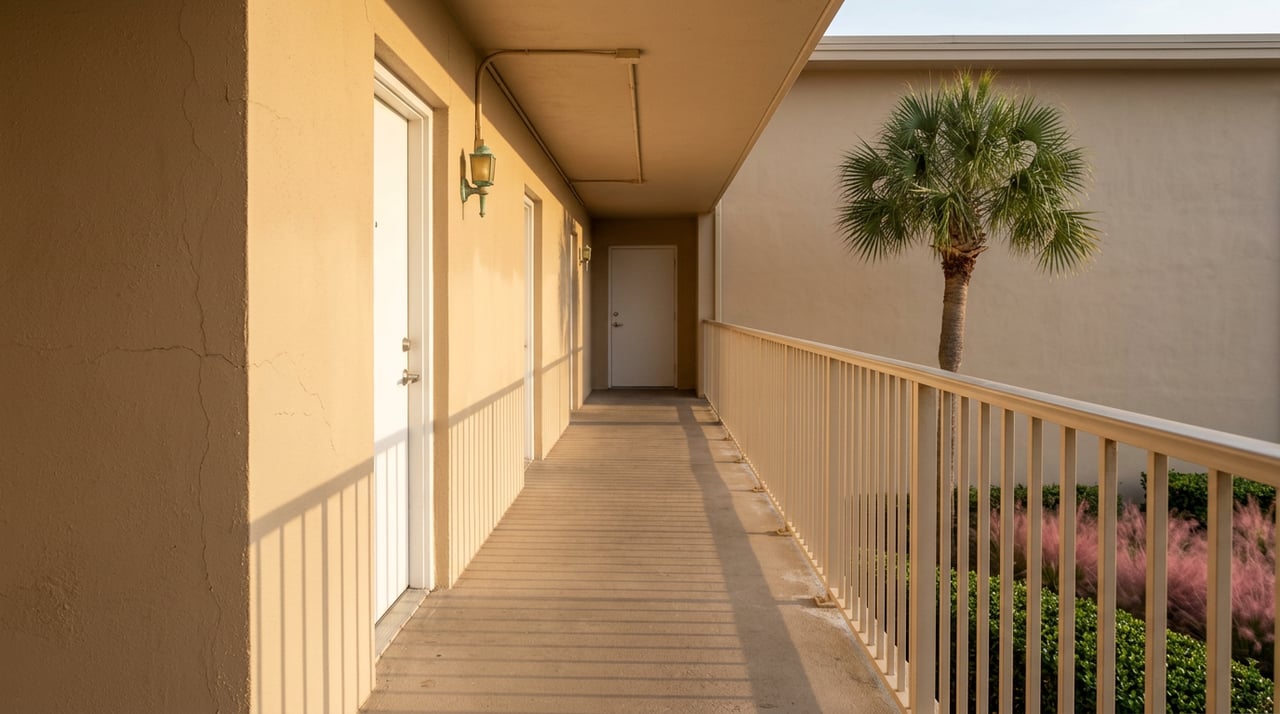
You will see mid‑century cottages, renovated coastal homes, and many condos and low‑rise buildings. Lots are smaller on the barrier island. Ownership often comes with higher wind and flood insurance, and condo or HOA fees if applicable. You pay a premium for proximity to the ocean, but daily life feels centered around the beach.
Granada corridor and historic core
Who it fits
If you want character, a sense of community, and easy access to both river and beach, focus around Granada Boulevard and the historic area near The Casements. This area works for families who like established neighborhoods and older homes with charm.
Commute and access
You are minutes from local shops, restaurants, and municipal services. It is straightforward to move east to A1A or west to I‑95 via Granada. This central position can simplify school and activity logistics.
Parks and community life
Expect small neighborhood parks, riverfront access, and cultural programming at local facilities. The location puts you close to city events and recreation programs.
Homes and cost tradeoffs
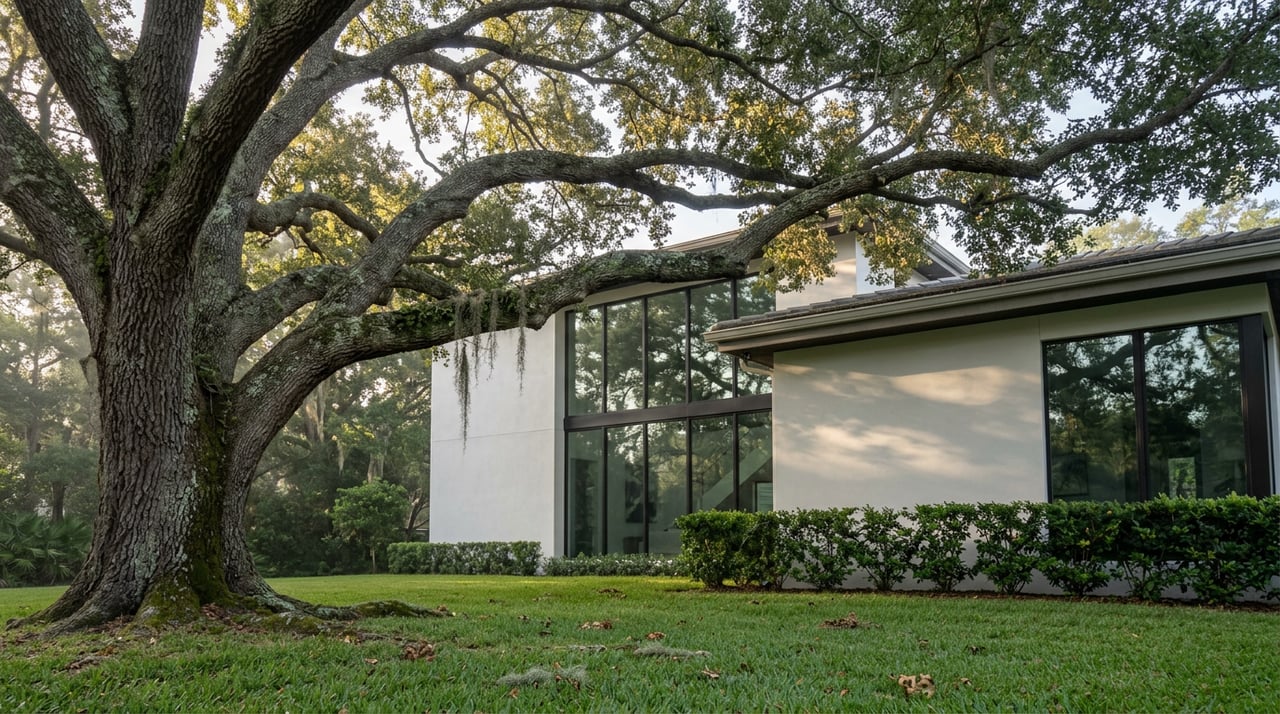
Look for historic bungalows, mid‑century ranches, and some newer infill homes. Many properties blend original façades with updated interiors. Prices tend to sit in the mid to upper‑mid range for Ormond Beach. Older homes may need updates, so factor renovation and maintenance into your budget.
Mainland west of I‑95
Who it fits
If you want more square footage, larger yards, and community amenities, the suburban neighborhoods west of I‑95 are a strong fit. Many families choose this area for newer construction and neighborhood play spaces.
Commute and access
You have quick access to I‑95 for regional commutes and use US‑1 and Granada for local trips. If your work takes you north or south through the county, living near an I‑95 access point reduces drive times.
Parks and everyday convenience
You will find community parks, neighborhood playgrounds, and natural areas within a short drive. Beach trips are usually 10 to 20 minutes depending on where you live. Daily life is car‑friendly with plenty of parking and garage space.
Homes and cost tradeoffs
Expect ranch‑style and two‑story homes in planned subdivisions, with some gated and golf communities. You generally get more house and yard for your budget compared with beachside. The tradeoff is less walkability to the beach and downtown amenities.
North Ormond, Ormond‑by‑the‑Sea, and Tomoka corridor
Who it fits
This quieter stretch appeals to families who love nature, boating, and river access. If you picture weekends on the water or exploring state park trails, this corridor is worth a close look.
Commute and access
A1A and North US‑1 are your main routes. Getting to central Ormond or Daytona is reasonable, and longer trips connect to I‑95 via US‑1 or Granada.
Parks and the outdoors
Tomoka State Park sits at the heart of this area, with river and salt marsh habitat, boat ramps, and trails. It is a strong match for families who want easy access to outdoor learning and recreation.
Homes and cost tradeoffs
You will see older cottages, canal and riverfront properties, and newer homes farther inland. Waterfront lots command premiums. Areas farther from the beach can offer more affordable homes. Be prepared for seasonal traffic along popular corridors during peak months.
Budget and cost of ownership
Your monthly payment in Ormond Beach includes more than the mortgage. Coastal homes often carry higher wind and hurricane insurance. Properties in certain flood zones may require flood insurance, especially on the barrier island or near rivers.
Condominiums and many newer subdivisions have HOA fees. These can cover common areas, amenities, and sometimes exterior maintenance. Review rules and budgets carefully so you understand how they fit your lifestyle and cost plan.
Property taxes are county administered. Review parcel‑level data for any home you are considering and check recent tax history. Cost of living in Ormond Beach is often lower than larger Florida metros, though coastal locations within the city can carry higher ongoing costs.
Commute playbook
Ormond Beach commutes revolve around three corridors: A1A, US‑1, and Granada Boulevard to I‑95. If you commute across the county, consider living near I‑95 access points on the mainland. If your life is centered around local clinics, schools, and parks inside Ormond Beach, the Granada core is convenient.
Beachside residents often drive west across Granada to reach I‑95. Seasonal traffic increases in winter and spring, and holiday weekends are busier along the coast. Plan your location with your morning and evening patterns in mind.
Schools and childcare check
Public schools are part of Volusia County Schools. Exact school assignments depend on the property address and can change, so confirm zoning for the home you choose. If you are comparing private and parochial options, expect a short drive to nearby cities within the county.
Childcare centers are more common in the mainland and suburban areas, while beachside and the historic core lean on smaller centers and home‑based providers. Ask about bus routes, pickup policies, and travel times when comparing neighborhoods. Many parents weigh morning logistics heavily when choosing a home.
Quick‑fit cheat sheet
- Choose beachside and A1A if you want daily beach time, walkable pockets, and can trade lot size for sand and surf.
- Choose the Granada corridor if you want character homes, central convenience, and quick access to both beach and river.
- Choose west of I‑95 if you want larger lots, newer homes, and fast regional commutes.
- Choose the North Ormond and Tomoka corridor if you want quiet, nature access, and the option for riverfront living.
Your next step with a local guide
Every Ormond Beach neighborhood gives you a different family rhythm. The best fit comes from aligning school logistics, commute patterns, outdoor time, and total cost. If you want a streamlined, data‑informed search with local insight, our boutique team can help.
We offer customized half‑ and full‑day neighborhood tours, a concierge relocation program built for time‑pressed professionals, and coordinated introductions to trusted lenders and service providers. Our MD Match program and proprietary search tools make it simple to compare homes across beachside, Granada, suburban mainland, and Tomoka corridor options. Ready to find your fit in Ormond Beach? Connect with Coastal Ventures to schedule your consultation.
FAQs
What is the best Ormond Beach area for easy beach access?
- Beachside along A1A places you closest to public access points and oceanfront parks, with quick drives or bike rides to the sand.
How do insurance costs differ across Ormond Beach neighborhoods?
- Coastal and low‑lying areas often have higher wind and hurricane premiums, and flood insurance may be required in some zones, while inland areas typically have lower exposure.
Where can I find larger yards and newer homes in Ormond Beach?
- Suburban neighborhoods west of I‑95 commonly offer larger lots, newer construction, and community amenities compared with beachside areas.
How does seasonal traffic affect daily life near the beach?
- Beachside traffic can increase in winter and spring and on holiday weekends, which may add time to errands or commutes across Granada to I‑95.
How should I verify public school assignments for a specific home?
- Confirm the current school zone with Volusia County Schools for the exact address, since assignments can change and vary by neighborhood.
What should I consider about HOAs and condo fees in Ormond Beach?
- Many condos and newer subdivisions have HOAs that cover common areas and amenities; review rules, budgets, and fee schedules to understand costs and lifestyle fit.