Imagine waking up to the sound of waves and a sunrise over the Atlantic. Buying beachside in Daytona Beach can make that vision real, but coastal property comes with its own rules, inspections, and insurance decisions. You want a clear plan that protects your time and money. This guide shows you how to choose the right neighborhood, line up financing, understand flood and wind risks, and close with confidence. Let’s dive in.
Get oriented on the barrier island
Neighborhood rules and feel
Daytona Beach’s barrier island stretches across multiple jurisdictions, including Daytona Beach, Daytona Beach Shores, and Ponce Inlet. Each city can have different permitting, parking, and short‑term rental rules. Walkability, public beach access, and on‑street parking vary block by block. That mix affects both daily convenience and long‑term resale or rental appeal.
Property types you will see
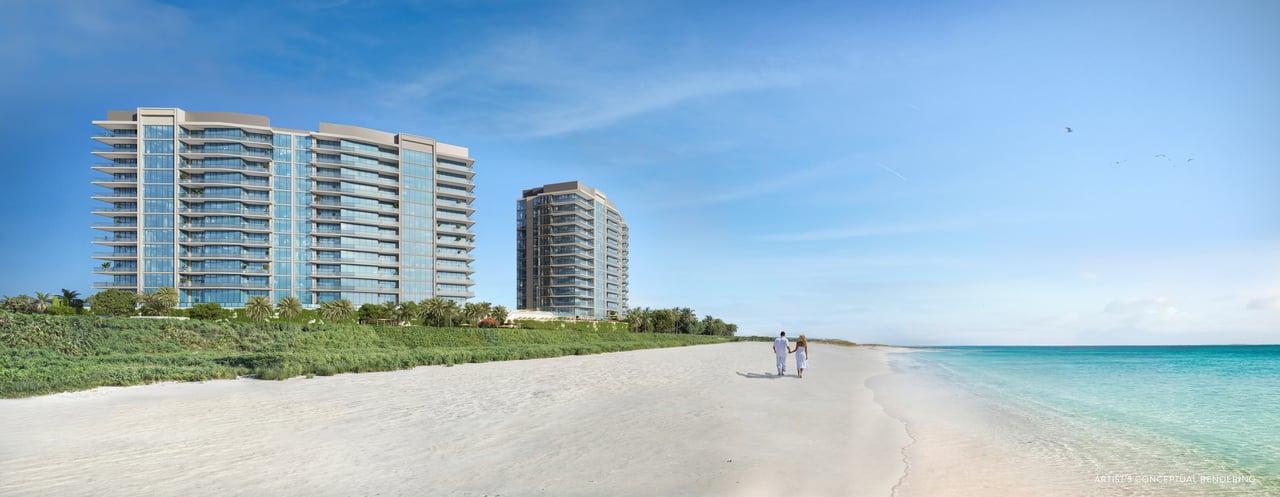
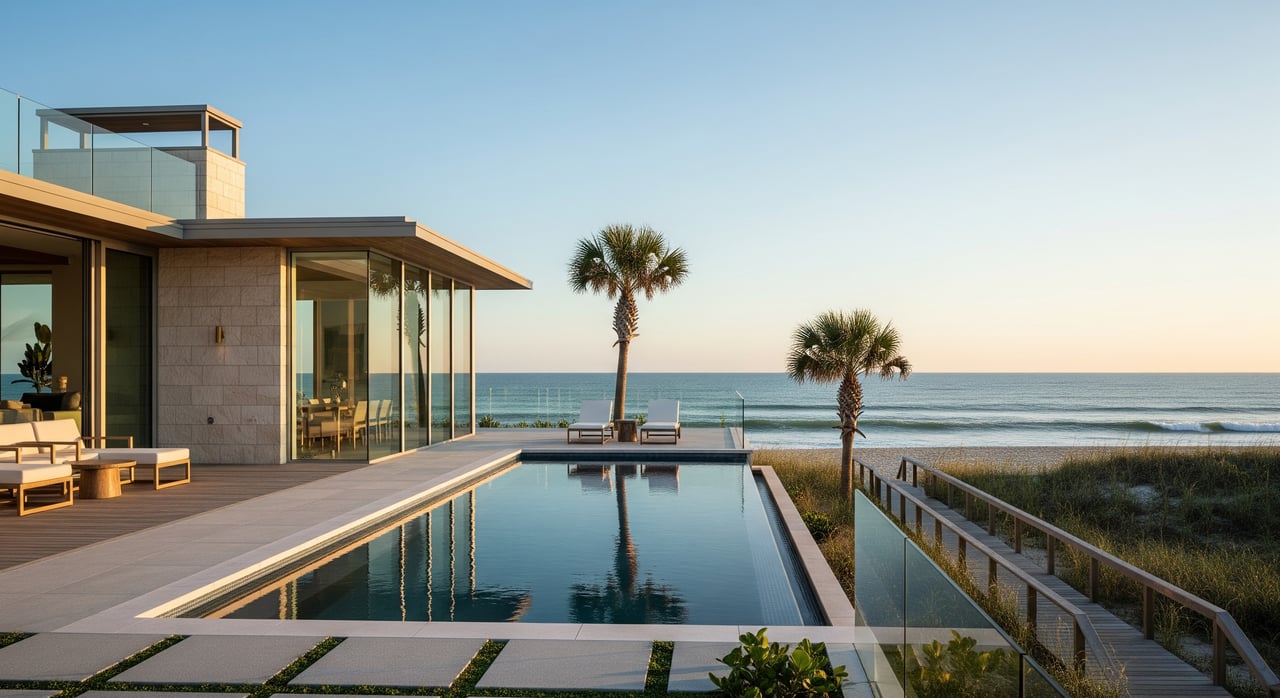
You will see oceanfront condos, low‑rise buildings, and single‑family homes on raised foundations or pilings. Many condos include shared amenities like pools, elevators, and covered parking. Single‑family homes offer more control but require direct responsibility for roofs, exterior, and any shoreline structures. Duplexes and small multifamily buildings also exist near the beach.
What drives demand
Local demand comes from vacation rental guests, seasonal events, retirees, and relocations from higher‑cost states. Short‑term rental activity is common on the island, which can push prices higher and tighten inventory. This also means association and city rules around rentals matter for your purchase and potential income.
Financing, taxes, and rental income
Coastal‑savvy preapproval
Lenders often apply stricter underwriting for coastal properties, especially in high‑hazard zones. Get preapproved with a lender that regularly finances oceanfront homes and condos. If you are targeting condos, ask early about project approval or warrantability, since that can affect loan options and down payment.
Taxes and special assessments
Volusia County assesses property taxes, and beachfront assessments can be higher than inland areas. Review the parcel history for any special assessments, such as seawalls or beach renourishment, and check association meeting minutes for potential future assessments. If you plan to rent, factor in any licensing or occupancy tax requirements.
Short‑term rental income
Rental income can help support loan qualification, but every lender verifies it differently. Seasonal demand, nightly rates, and city or HOA restrictions will impact your projections. Always confirm municipal licensing and association rules before relying on rental income to cover expenses.
Insurance and flood risk basics
Flood zones and elevation
FEMA maps place coastal properties into zones such as V and AE. V zones carry higher flood risk and often higher premiums. Ask for the FEMA flood zone and an Elevation Certificate, if available, to see how the structure sits relative to Base Flood Elevation. Elevation and prior claims can materially affect pricing.
Flood and wind coverage
Florida coastal homeowners manage two major perils: flood and wind. Flood insurance may be required by your lender in mapped Special Flood Hazard Areas. Homeowners policies often include a separate windstorm deductible, and coverage can differ widely by insurer. Get quotes early, including a private flood option if available, so insurance never becomes a last‑minute surprise.
Wind mitigation savings
A wind mitigation inspection can unlock premium discounts. Roof age and attachments, impact‑rated windows or shutters, and other hardening features matter. If possible, complete this inspection before closing so you can model true carrying costs and negotiate repairs or credits.
Condo or single‑family: key tradeoffs
Condominiums
- Often lower entry price per unit and shared exterior maintenance.
- HOA fees typically fund building insurance and common areas, but confirm what the master policy covers versus what you must insure.
- Risks include special assessments, reserve shortfalls, management quality, and rental restrictions that can affect financing and returns.
Single‑family homes
- Greater control over use and improvements with no shared walls.
- You handle exterior maintenance, storm prep, and any shoreline structures.
- Insurance and storm repair costs can be higher, and coastal wear requires steady upkeep.
Association due diligence
Request and review the declaration, bylaws, rules, recent financials, budget, reserve study if available, recent meeting minutes, master insurance policy, litigation disclosures, current or pending assessments, and rental policy. Compare reserve balances to recommendations in any reserve study. Check the percentage of rentals, since that can influence financing and community stability.
Project approval and financing
If you plan to use conventional, FHA, or VA financing, confirm whether the condo meets project standards. Buildings with high investor ownership or active litigation can be non‑warrantable, which narrows loan options and can raise down payment needs.
Inspections and coastal maintenance
Priority inspections for beachside
- General home inspection plus roof, HVAC, electrical, plumbing, and pest/termite.
- Coastal items: wind mitigation, elevation certificate review, and a seawall or shoreline inspection if applicable.
- For elevated homes, have a qualified expert inspect pilings, connections, and signs of rot or marine borer activity.
- Check for moisture intrusion, mold, and any history of storm damage or repeated flooding.
Foundations, seawalls, and shoreline
Many beach homes sit on pilings or raised foundations to meet flood codes. Inspect piers and connections for corrosion and movement. If a seawall or bulkhead is present, confirm ownership and maintenance responsibility. Repairs often require permits, and timelines can be seasonal.
Durable materials and hurricane prep
Coastal exposure speeds up wear. Favor corrosion‑resistant components, fiber‑cement siding, impact glass or storm shutters, and elevated mechanical systems. Plan for regular exterior sealing, more frequent HVAC service, roof checks after major storms, and proactive pest control. Document upgrades to support insurance discounts and future resale.
Coastal permits and environmental rules
CCCL, dunes, and vegetation
Some parcels fall within Florida’s Coastal Construction Control Line. That can affect rebuilding, hardening, and dune or vegetation changes. Expect permit reviews for shoreline work and respect protected dune systems that buffer storm surge.
Local permitting and beach projects
Know the right jurisdiction for your address. Building permits, inspections, and wind code reviews are handled by city or county departments. Beach renourishment and dune restoration projects occur periodically and may influence protection, access, and assessments in nearby areas.
Step‑by‑step plan to buy beachside
- Get preapproved with a lender experienced in coastal and condo financing. Ask about condo project approval if you are considering a building.
- Pick your target areas on the barrier island and confirm municipal rules for rentals, parking, and permits.
- Ask the seller or listing agent for the FEMA flood zone, any Elevation Certificate, and any flood or insurance claim history they can share.
- Obtain early quotes for flood and homeowners or wind policies. Price both NFIP and private flood options if available.
- Review HOA or condo documents in detail. For complex associations, engage a real estate attorney.
- Schedule inspections: general, wind mitigation, elevation review, seawall or shoreline, termite or pest, and any specialty systems.
- Verify contractor licenses for past work and get estimates and permit timelines for needed repairs or upgrades.
- Negotiate contract terms that address storm damage, insurance bindability, and post‑inspection repairs.
- Confirm local permit needs for any planned renovation, including structural, window, or elevator work.
- Before closing, confirm insurance can be bound, lender conditions are cleared, and no new assessments have appeared.
Tips for investors and relocators
Short‑term rental checks
If rentability is important, verify rules at both levels: city and association. Confirm minimum night stays, registration needs, inspections, and any occupancy taxes. Model seasonality and vacancy, and stress test your numbers against stricter rules or fee changes.
Physician and executive moves
If you are relocating for a hospital or professional role, protect your time. A curated, half‑day tour of target neighborhoods, early lender introductions, and a coordinated inspection window can compress your timeline. Our concierge approach and physician‑focused MD Match program make that process smoother and lower risk.
Renovation planning
If you plan upgrades, confirm coastal code requirements early. Impact glass, tie‑downs, and roof work can trigger permit reviews. Build in lead time for materials and inspections, especially during storm season.
Put local experts to work
Buying beachside is different, but with the right plan and team, it is absolutely doable. You want clear answers on flood, insurance, associations, and rental rules before you commit. If you are a busy professional or investor, our boutique process keeps you ahead of each step. Ready to explore the Daytona Beach barrier island with a trusted advisor at your side? Connect with Coastal Ventures to schedule your consultation.
FAQs
Do I need flood insurance for a Daytona Beach beachside home?
- If your home is in a FEMA Special Flood Hazard Area and you have a mortgage, your lender will require flood insurance. Many coastal buyers carry it even when not required.
How much does flood insurance cost near the ocean?
- Premiums vary based on zone, elevation relative to Base Flood Elevation, prior claims, and whether you choose NFIP or private flood. Get property‑specific quotes early.
Are condos cheaper to insure than houses beachside?
- Condos often include a master policy for the structure and common areas, but you still need interior and contents coverage. Review master policies for gaps and deductibles.
Can I rent my Daytona Beach condo short term?
- It depends on city ordinances and the association’s rules. Confirm both before you rely on rental income, and model seasonality and licensing costs.
Who maintains a seawall for a beachside property?
- The property owner is typically responsible. Repairs usually need permits, so check title and HOA documents for any shared obligations and plan for timelines.