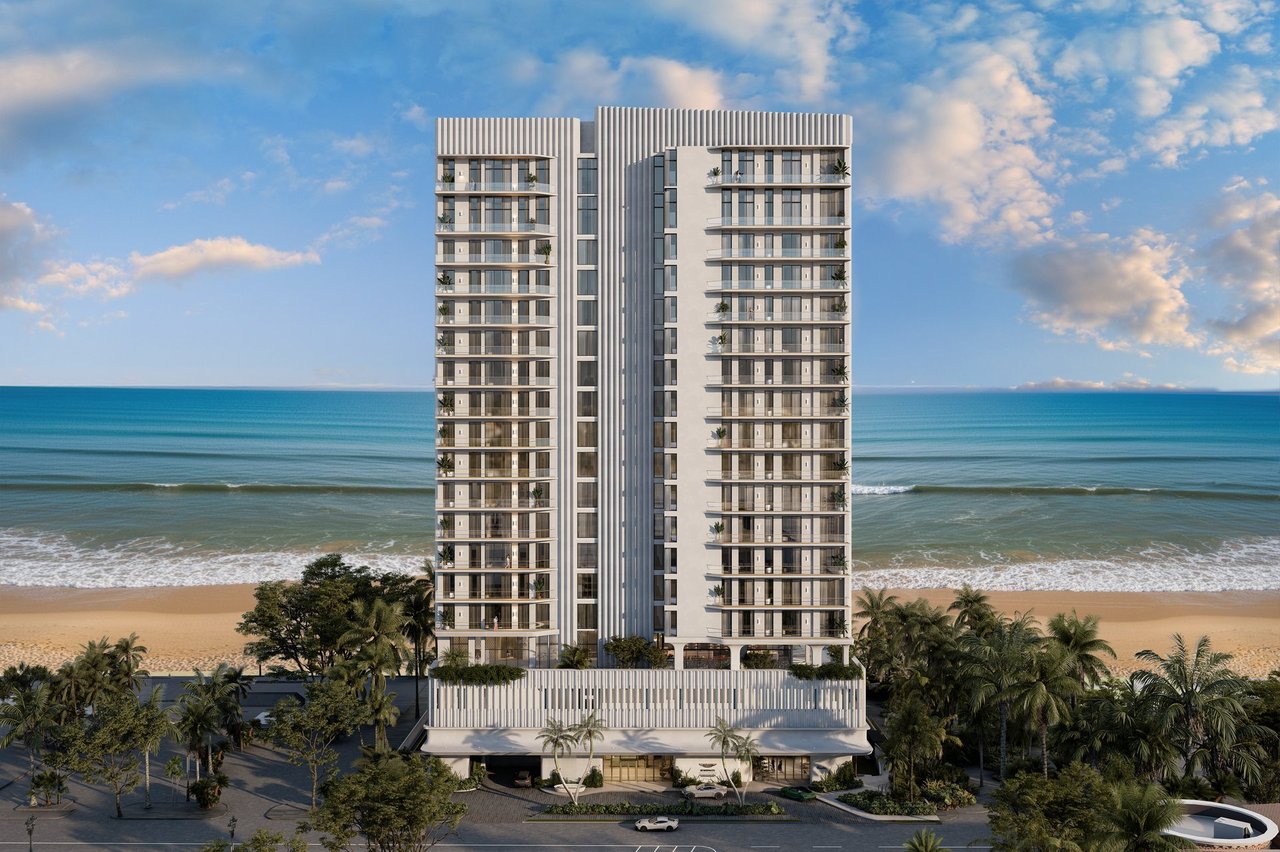
You found it. Oceanfront unit, strong Airbnb comps in the area, and the city zoning checks out. You're already running the numbers in your head.
Then you read the HOA documents.
Buying a short-term rental condo in Florida is not a one-step approval process. There are two entirely separate layers of rules that govern whether you can rent your unit, how often, for how long, and sometimes, who gets to manage it on your behalf. Both layers matter equally. And buyers who skip one of them often end up with a beautifully renovated unit they cannot legally rent, or one where the income gets cut nearly in half before they ever see it.
Here is what you need to know before you write an offer.
Layer One: City Zoning
City zoning determines whether short-term rentals (typically defined as stays under 30 days) are a permitted use at a given property address. In Volusia and Flagler counties, this varies dramatically from city to city.
Daytona Beach Shores is the most permissive market in the region. Most of its oceanfront condo corridor is tourist-zoned, meaning STRs are broadly permitted at the city level. Palm Coast, in Flagler County, passed a citywide STR ordinance in 2025 that allows short-term rentals in all zoning districts, provided the owner registers and meets basic occupancy requirements.
On the other end of the spectrum, Ormond Beach prohibits STRs in all residential zones. Ormond-by-the-Sea is unincorporated Volusia County, where a 2004 ordinance limits residential rentals to a 30-day minimum, a rule upheld by a county judge as recently as 2022. Port Orange follows the same county framework. Flagler Beach issued no new residential STR permits after its 2008 ordinance and enforces a 7-day minimum citywide.
City zoning is not something you can assume. It must be verified for the specific parcel address before anything else.
Layer Two: HOA Rules
This is where buyers get surprised most often. Even when city zoning fully permits short-term rentals, the condominium association may not. HOAs set their own minimum stay policies independent of the municipality, and those policies are binding on every owner in the building.
In the buildings along the Volusia and Flagler coast, minimum stay requirements generally fall into five tiers: no minimum, 3-day minimum, 1-week minimum, 2-week minimum, and 1-month minimum. Some buildings with no city-imposed restriction still require a full month between tenants, effectively removing the unit from the vacation rental market.
HOA rules also govern noise, parking, elevator usage hours, guest registration, and whether pets are permitted in rental units. Both the city and the HOA must independently permit short-term rentals. One without the other is not enough.
The Third Layer Nobody Talks About: In-House Management Requirements
Here is the issue that catches investors completely off guard.
Certain condotel-style buildings require that all short-term rentals be managed through the building's own in-house rental program. This is common in hotel-conversion properties and larger resort-style complexes that maintain a front desk, common area amenities, and a unified brand presence. When a building mandates in-house management, you cannot list independently on Airbnb or VRBO, and you cannot hire your own property manager.
Those fees are not small. In-house management fees in resort-style condotel buildings typically run between 40% and 50% of gross rental revenue. Some programs charge even more when additional housekeeping, maintenance, and unit wear assessment fees are factored in.
To put that in concrete terms: if your unit generates $40,000 per year in gross rental income, you could be netting $20,000 to $24,000 before HOA fees, property taxes, insurance, and your mortgage are considered. The numbers that looked compelling on a comp sheet may look very different once the management structure is understood.
This does not mean these properties are bad investments. It means you need to know the structure going in and underwrite accordingly.
What to Request Before You Make an Offer
The following documents should be in your hands before you get emotionally attached to a unit:
The HOA governing documents, specifically the declaration of covenants and the rules and regulations. Look for the section on rental restrictions, minimum lease terms, and management requirements.
A copy of the most recent meeting minutes. Boards sometimes signal upcoming rule changes in meeting discussions before formally amending the documents.
The rental program agreement, if the building operates one. Review the fee structure, the payout schedule, the exclusivity clause, and the termination terms.
A zoning verification from the city planning department confirming the parcel is in a zone where short-term rentals are a permitted use.
The Bottom Line
The short-term rental market along the Volusia and Flagler coast is real, active, and offers genuine income potential for buyers who do their homework. But the homework is non-negotiable. City zoning and HOA rules are two separate approval hurdles, both of which must be cleared. And if the building routes all rentals through an in-house program, your net income projection needs to be built with that cost included from the start.
The best STR deals in this market go to buyers who understand the rules before they fall in love with the view.
Coastal Ventures specializes in luxury real estate and physician relocation across Volusia and Flagler counties. For a personalized walkthrough of STR-eligible buildings and current listings, reach out directly.