Starting a new role at AdventHealth Daytona and trying to figure out where to live fast? You need a neighborhood that fits your lifestyle, a commute that works with your shifts, and a budget that balances fees and insurance. This guide gives you a clear overview of the 10–20 minute radius around the hospital so you can choose confidently and settle quickly. You will learn which communities fit your goals, what tradeoffs to expect, and how to plan for shift-friendly commutes and coastal costs. Let’s dive in.
What a 10–20 minute commute looks like
A 10-minute drive near the hospital typically reaches about 2–5 miles on local streets with traffic signals. A 20-minute drive usually spans 6–12 or more miles, depending on speed limits and congestion. Bridges over the Halifax River and access to I‑95 shape how far you can get within those time frames.
Key roads you will use most often include I‑95, US‑1 (Ridgewood Ave), State Road A1A, the Halifax River bridges like Broadway and Main Street, the Port Orange bridges, and connectors such as LPGA Boulevard. Morning and evening peaks follow typical urban patterns, and approaches to bridges and interchanges can slow down. If you work nights or early mornings, you may experience shorter drive times outside peak hours.
Communities generally within a 10–20 minute drive include central Daytona Beach, Daytona Beach Shores, South Daytona, northern Port Orange, southern Ormond Beach, Holly Hill, and parts of the A1A barrier island. New Smyrna Beach can be at the outer edge of the range depending on route and traffic.
Housing types near the hospital
Single-family homes
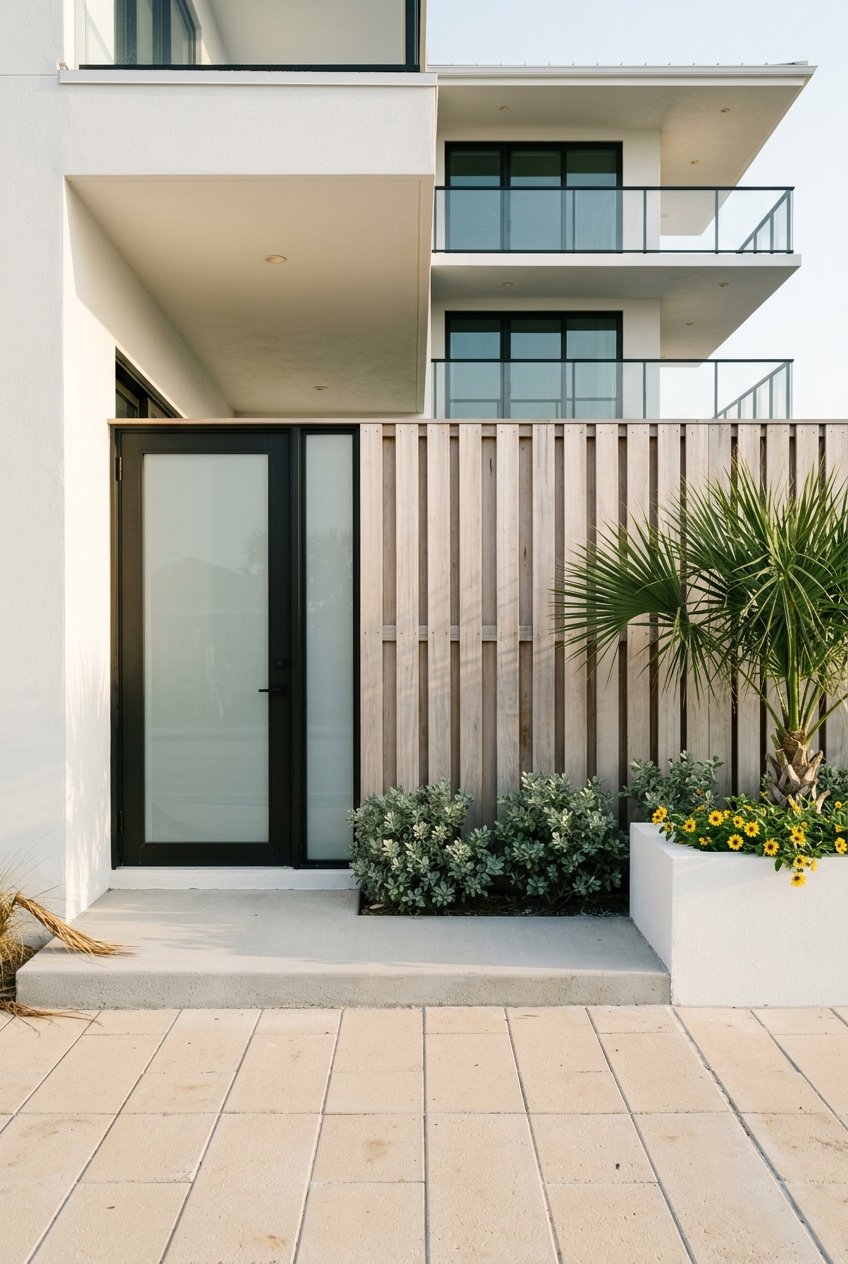
You will find the widest selection inland and in neighborhoods around Daytona Beach, Port Orange, and Ormond Beach. Options range from post‑war bungalows to mid‑century ranch homes and newer subdivisions. These homes often appeal to buyers who want yards, space for pets, and fewer monthly HOA restrictions.
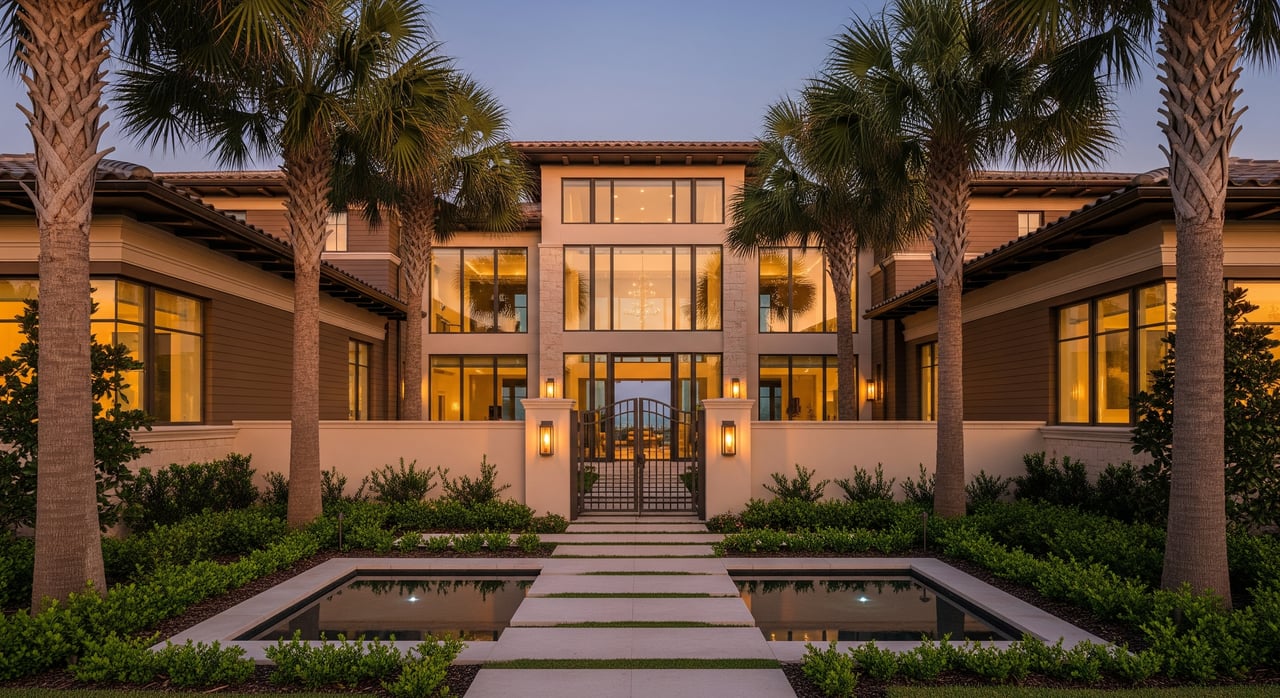
Consider a car-based commute and note that inland lots may be larger and more affordable than beachfront or riverfront locations. Newer planned communities may offer modern layouts and amenities at a price premium.
Condominiums and beachfront condos
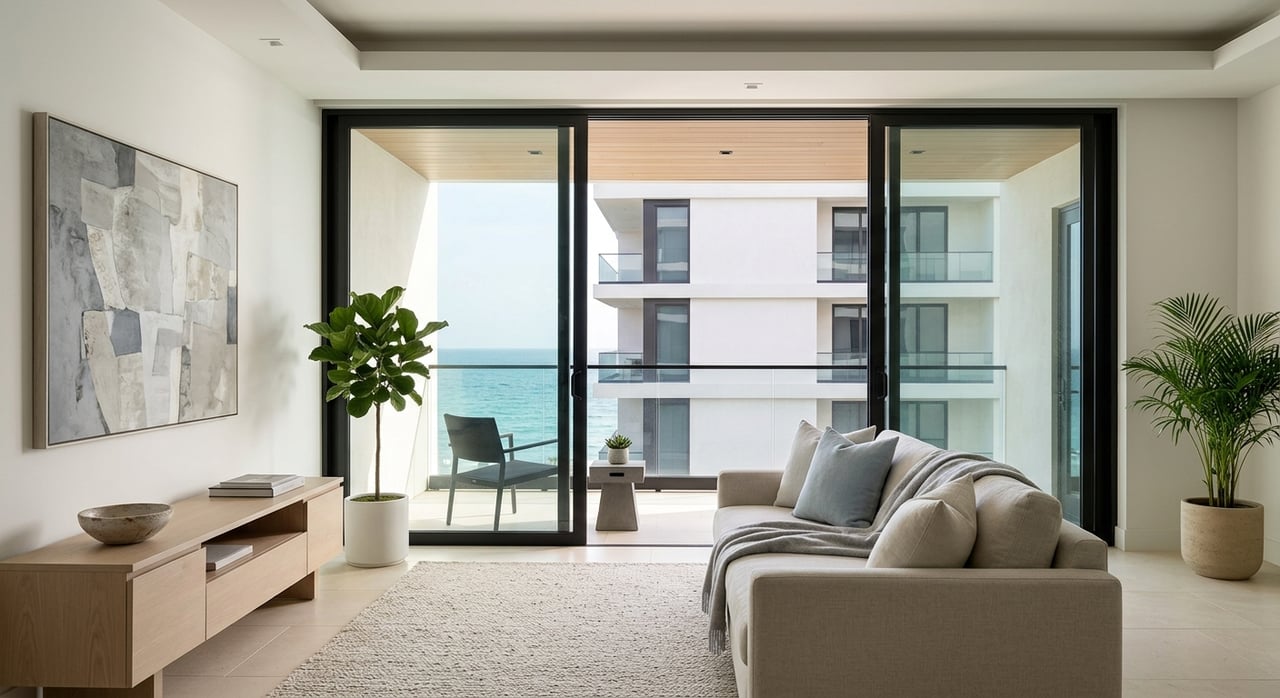
Condos are common on the barrier island and along A1A, from older low‑rise buildings to newer high‑rise towers. They are attractive if you want low‑maintenance living and easy access to the beach and restaurants within a short drive to the hospital.
Factor in HOA or condo fees, potential special assessments, and insurance for wind and flood. Review the age of the building and whether structural or safety upgrades have been completed or planned.
Townhomes and duplexes
Townhomes and duplexes show up in newer infill developments and planned communities, especially in Port Orange and parts of Ormond Beach. They offer a middle ground between a condo and a single‑family home, often with a smaller yard, an HOA, and sometimes an attached garage.
Rentals and furnished options
The rental market near hospitals is strong. You will find apartments near commercial corridors, single‑family rentals, and professionally managed corporate or furnished units. Monthly furnished rentals can be a good fit for locum tenens physicians, traveling nurses, or new hires who want to learn the area before buying.
Age‑restricted communities
There are several 55+ communities in greater Volusia County. Most are a short drive from the hospital, though some may exceed 20 minutes depending on location. These can work well for staff planning long‑term residency or future retirement in the area.
Neighborhood snapshots within 10–20 minutes
Daytona Beach (near campus)
If you want the shortest drive, start here. You will see a mix of single‑family homes and condos with hospital‑adjacent services and quick access to restaurants and retail. Many homes are older, and some neighborhoods are in phases of revitalization.
Daytona Beach Shores and the barrier island
Choose this area for a beach lifestyle and condo living with ocean views. You will have walkable access to beach restaurants and entertainment. Expect higher housing costs, flood and wind insurance requirements, and seasonal traffic during peak tourism periods.
Port Orange (northern areas)
This suburban area offers newer single‑family neighborhoods, shopping centers, and convenient access to I‑95. Commutes can be reliable, and you often get more space for the price compared with beachfront options. Travel time varies by proximity to bridge routes.
Ormond Beach (southern neighborhoods)
These communities are residential and quieter with parks and marinas, which can appeal if you want a calm home base close to the hospital. Commute times depend on your exact address and bridge crossings.
South Daytona and Holly Hill
You will find a mix of rentals and older single‑family homes with good proximity to the hospital. Neighborhood character can vary by block, so plan a daytime and nighttime drive to assess fit for your routine.
New Smyrna Beach (outer edge)
This beach town offers a vibrant coastal atmosphere. It is a commutable option for some staff, though traffic and bridge timing can push it beyond 20 minutes at certain times.
Commute and shift-work tips
Driving patterns
Driving is the dominant commute mode for hospital staff. Expect typical peak congestion on interchanges, river crossings, and major corridors like LPGA Boulevard and Nova Road. If you work off-peak hours, you may benefit from lighter traffic.
Bridges and chokepoints
Bridges over the Halifax River and approaches to I‑95 can concentrate traffic. If you will rely on a specific bridge, test the route at your actual shift times. Keep a backup route in case of incidents or closures.
Alternatives to driving
Votran provides countywide bus service. Routes and frequency are more limited than large metro systems, which can be challenging for night shifts. Biking or walking is realistic only if you live very close to the hospital and feel comfortable with local bike lanes and crossings.
Parking and campus logistics
Hospitals commonly offer staff parking areas with permits or garages. Confirm location, cost, overnight rules, and any shuttle links with HR before you sign a lease or contract.
Rest and noise considerations
If you sleep during the day, visit prospective neighborhoods at midday to gauge ambient noise. Choose routes with reliable lighting, and consider window treatments or a quieter interior unit if you select a condo.
Costs, fees, and insurance to plan for
Price drivers
Proximity to the beach and waterfront increases purchase and rental costs. Inland neighborhoods and older homes tend to be more affordable. Newer planned communities and gated neighborhoods often carry premiums for amenities.
HOA and condo fees
Condos and many townhomes include monthly HOA dues that cover exterior maintenance, common areas, and amenities. Factor dues into your total monthly cost and review any history of special assessments.
Insurance for coastal properties
If you live near the coast or riverfront, you will likely need flood coverage along with wind and hurricane-related insurance. For condos, review the master policy to understand your responsibility for interior coverage and deductibles.
Property taxes and closing costs
Property taxes vary with assessed value and exemptions. Use the county appraiser’s records to verify estimates and confirm closing costs early with your lender and title team.
Time vs. money tradeoffs
Many time‑constrained professionals pay more to live closer to the hospital, which reduces commute stress and supports shift work. Others choose a longer drive to gain space, a newer home, or different amenities. Test your commute and model your monthly budget with HOA dues and insurance included.
A smart search plan for busy medical professionals
- Start early: 4–8 weeks for rentals, 8–16 or more weeks if buying from out of state.
- Prioritize reliability: test the drive at your actual shift times like 6 a.m., 3 p.m., or 11 p.m.
- Ask HR about employee resources such as shuttles, parking details, or recommended apartments.
- Verify school boundaries and daycare availability if moving with children, since waitlists can affect timing.
- For condos, request the association resale package, insurance summary, reserves, and assessment history.
- Check flood zones and elevation for coastal or riverfront properties and get insurance quotes early.
- Consider a short-term furnished rental if you want to learn neighborhoods before buying.
- Work with an agent who focuses on medical relocations to surface options that align with your schedule.
How Coastal Ventures supports AdventHealth staff
You deserve a relocation process built for your calendar, not the other way around. Coastal Ventures Real Estate offers a physician-focused concierge approach that pairs local neighborhood intelligence with streamlined tours and vetted referrals. Our MD Match program organizes half‑ or full‑day tours around your interviews or onboarding, and our team coordinates introductions to trusted local lenders and service providers.
We also leverage proprietary client technology to simplify your search with real-time collaboration. Whether you want a beachfront condo, a newer home in Port Orange, or a quiet Ormond Beach neighborhood, we align lifestyle, commute, and cost so your first choice feels like the right choice.
Ready to map your 10–20 minute options and see homes that fit your shifts and budget? Connect with Ashley Flatley to schedule your Relocation Consultation.
FAQs
How long will my commute be to AdventHealth Daytona?
- Drive the route during your typical shift times to confirm real travel time, and keep a backup bridge or highway option.
Is it better to rent or buy first near the hospital?
- Many incoming physicians start with a short-term or annual rental to learn neighborhoods before committing to a purchase.
Are short-term furnished rentals available near AdventHealth Daytona?
- Yes, the area supports furnished options for traveling clinicians, though availability varies with tourist season and events.
Which neighborhoods are quiet for night-shift staff near Daytona?
- Noise can vary by block, so visit at midday and late evening, review local data sources, and speak with current staff when possible.
Will a beachfront condo cost more than inland homes near Daytona?
- Expect a premium for oceanfront or riverfront locations, while older inland homes and neighborhoods often offer more value.
Do I need special insurance for coastal homes near the hospital?
- Properties near water often require flood coverage along with wind and hurricane-related policies; review condo master policies if applicable.